Cats communicate constantly through body language, but many owners miss these subtle signals. Understanding what your cat is telling you improves your relationship, prevents misunderstandings, and helps you respond appropriately to their needs. From tail positions to ear angles, every movement has meaning. This guide teaches you to read your cat like a book and become fluent in feline communication.
A cat's tail is their most communicative body part. Tail straight up with a slight curve at the tip signals happiness and confidence—this is the "happy to see you" greeting. Tail puffed up like a bottle brush indicates fear or aggression; your cat is trying to appear larger. Tail low or tucked between legs shows fear, submission, or illness. Tail swishing rapidly back and forth signals agitation or hunting focus. Gentle tail waving while relaxed indicates contentment. Tail wrapped around you is a sign of affection, like a hug.
Ears forward and slightly to the side indicate a relaxed, content cat. Ears straight up and forward show alertness and interest—something has caught their attention. Ears flattened back against the head signal fear, aggression, or extreme annoyance; this is a warning to back off. Ears rotating independently means your cat is monitoring multiple sounds, staying alert to their environment. Airplane ears (slightly back and to the sides) can indicate nervousness or uncertainty.
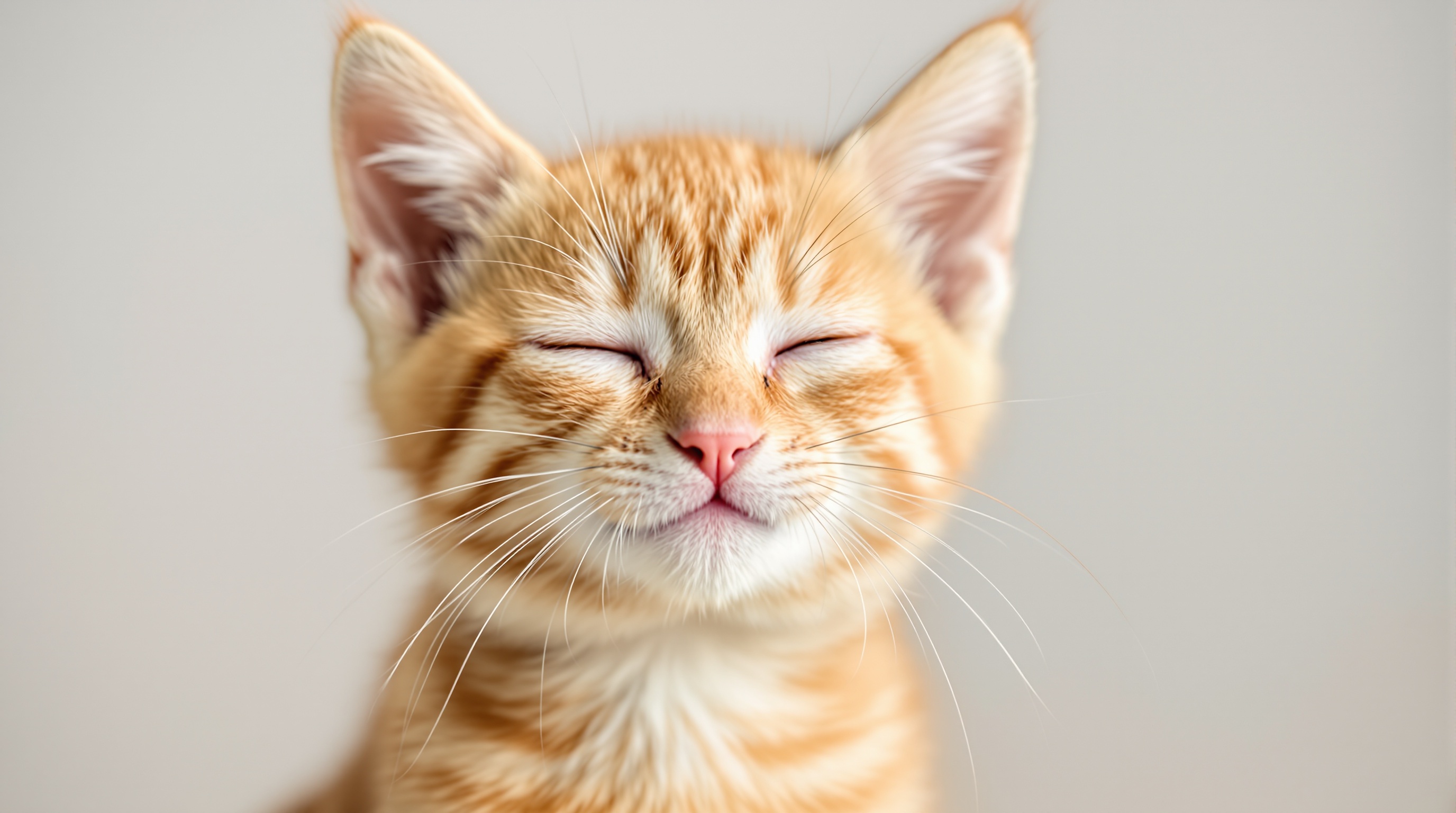
Slow blinking is the ultimate sign of trust and affection—it's a cat kiss. Return slow blinks to tell your cat you love them too. Dilated pupils can indicate excitement, fear, or aggression depending on context. Constricted pupils may signal aggression or intense focus. Direct staring is confrontational in cat language; cats who trust you will look away or slow blink. Avoiding eye contact shows submission or discomfort. Half-closed eyes indicate relaxation and contentment.
Whiskers relaxed and slightly to the sides indicate a calm, content cat. Whiskers pushed forward show interest, curiosity, or hunting mode—your cat is investigating something. Whiskers pulled back flat against the face signal fear or aggression; your cat is trying to protect these sensitive organs. Whiskers are incredibly sensitive and help cats navigate, so their position provides valuable insight into your cat's emotional state and intentions.
Context Matters: Always consider the whole picture. A swishing tail during play means something different than during a vet visit. Look at ears, eyes, whiskers, body posture, and vocalizations together for accurate interpretation.
Relaxed body with weight evenly distributed indicates contentment and security. Arched back with fur standing up (piloerection) is the classic "Halloween cat" pose signaling fear or aggression. Crouched low with body tense shows fear or stalking behavior. Rolling over to expose belly demonstrates trust, though it doesn't always mean they want belly rubs. Leaning into you or rubbing against you shows affection and scent-marking. Frozen, tense body indicates high alert or fear.
Purring usually indicates contentment but can also signal pain or self-soothing during stress. Meowing is primarily used to communicate with humans, not other cats. Short meows are greetings, while prolonged meows indicate demands or complaints. Hissing and spitting are clear warnings to back off. Growling signals serious aggression or fear. Chirping or chattering at birds shows hunting excitement. Yowling can indicate distress, mating behavior, or cognitive issues in senior cats.
Kneading (making biscuits) is a holdover from kittenhood when kittens kneaded their mother to stimulate milk flow. Adult cats knead when feeling safe, content, and loved. Bunting (head-butting) is a sign of affection and scent-marking. Cats have scent glands on their heads and are claiming you as theirs. Both behaviors are high compliments showing your cat feels secure and bonded with you.
Recognizing stress early prevents escalation. Signs include: excessive grooming, hiding, loss of appetite, dilated pupils, flattened ears, low body posture, tail tucked, excessive vocalization, and aggression. Stressed cats may also have accidents outside the litter box. If you notice these signs, identify and remove the stressor if possible. Provide hiding spots, maintain routine, and consider calming aids. Chronic stress impacts health, so address it promptly.
It's crucial to distinguish play from aggression. Playful cats have relaxed bodies, forward ears, normal-sized pupils, and gentle bites. They may pause and look at you as if asking to continue. Aggressive cats have tense bodies, flattened ears, dilated pupils, and inflict painful bites. They don't pause or respond to your attempts to stop. If play becomes too rough, redirect to toys rather than hands. Never use hands as toys—this teaches cats that biting humans is acceptable.
Building Trust: Respect your cat's body language. If they signal discomfort, give them space. Forcing interaction when they're showing stress signals damages trust and can lead to aggression. Let your cat approach you on their terms.
Learning cat body language transforms your relationship. You'll know when your cat wants attention versus when they need space, when they're playful versus when they're stressed, and when they're showing affection versus when they're warning you. This understanding prevents misunderstandings, reduces stress for both of you, and deepens your bond. Pay attention to the whole picture—tail, ears, eyes, whiskers, body posture, and vocalizations together tell the complete story. With practice, reading your cat becomes second nature, and you'll wonder how you ever missed these clear signals. Your cat has been talking to you all along; now you can finally understand what they're saying.
About Dr. Sarah Mitchell
Cat behavior specialist and content creator with over 8 years of experience helping cat parents understand their feline friends better. Passionate about sharing practical tips and product recommendations.